

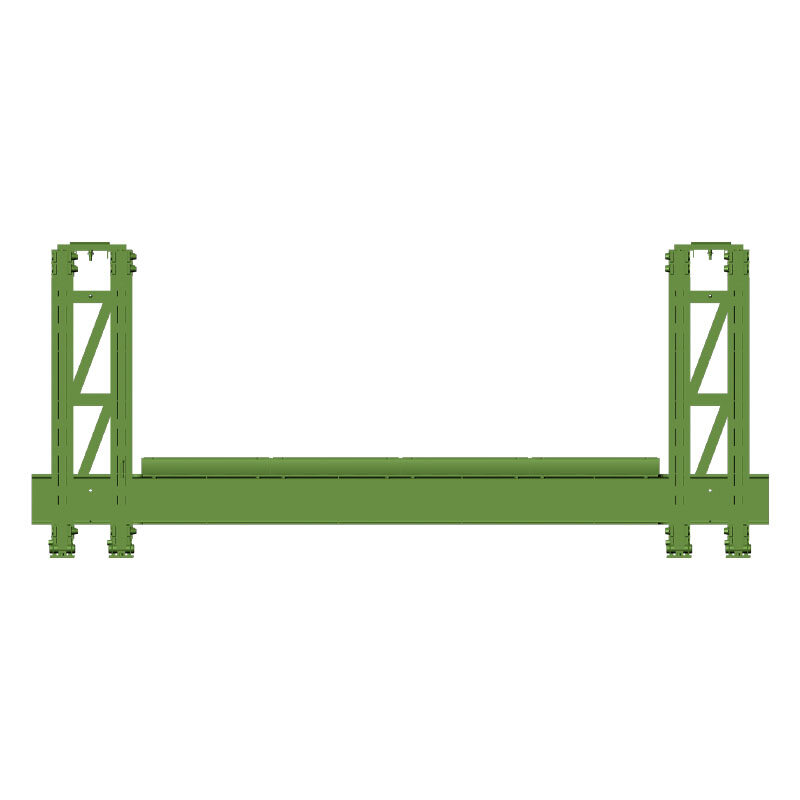
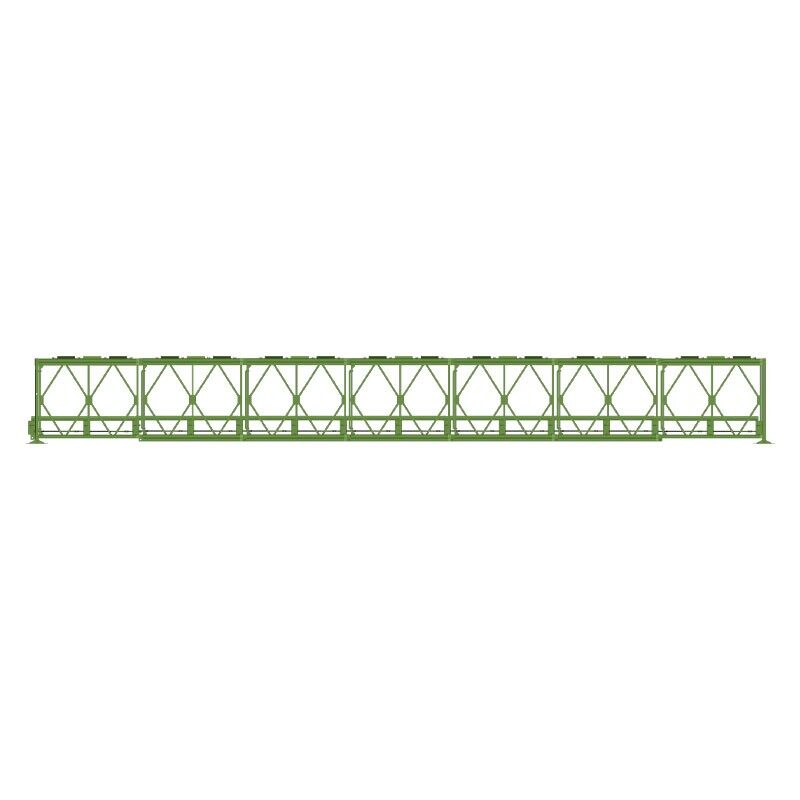
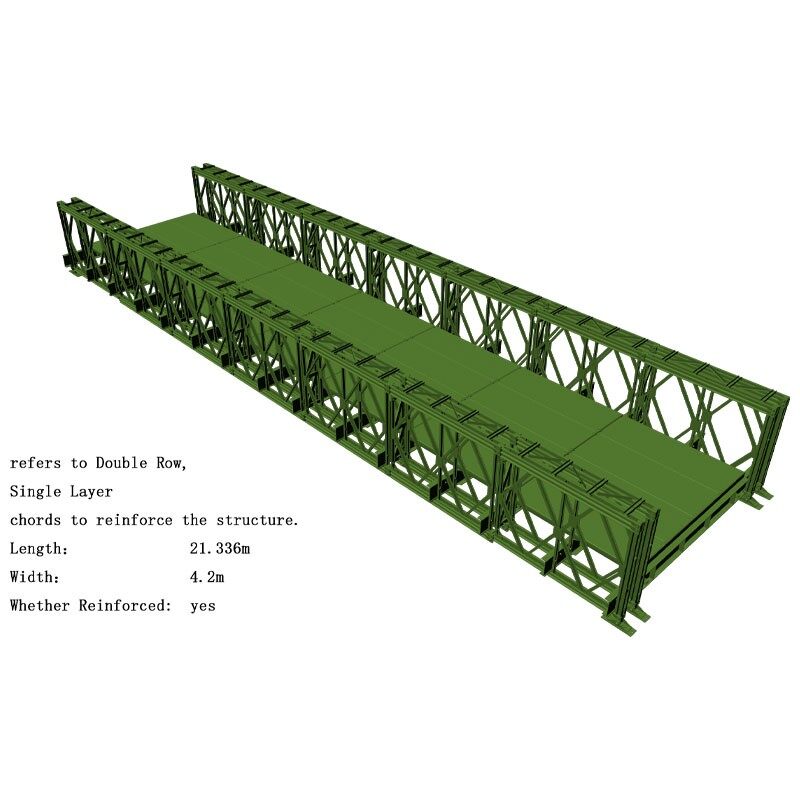
When it comes to designing these, the main ideas start with how much weight they have to handle, I guess depending on where they are and what people will do on them. For tricky spots, like tight corners or hilly ground or over water, or even when there are buildings close by that limit space, the builders change the length of the bridge or how high it goes or the whole shape to not mess with roads or other things already there. It seems important to make them look good with the area too, so in downtown business zones maybe a straight clean steel beam works fine, but for pretty scenic places they might curve it or make it look fancy like a suspension bridge to stand out as something special.
Then theres the eco side, using really tough steel so you dont need as much of it, which cuts down on materials, and they build most of it in a factory then put it together on site to keep the mess low, like less dust and noise. Plus the parts can be reused later, which is nice.
These bridges fit in different situations. In big city entrances or shopping hubs or where buses and trains meet, they need to look impressive and make the place feel alive. For crossing under trains or water or old buildings, it takes special tweaks to the structure. In older parts of town, they have to blend in with the historic look, maybe using a style that feels old fashioned. Sometimes people want more than just crossing, like spots to sit and watch or shops built in, or ways for everyone to use it easily. And if its meant to be a famous spot for the city, the design has to be one of a kind, with lights at night to make it glow.
If you want details on these customized steel pedestrian bridges or a price, just reach out. I can help with that professionally.


